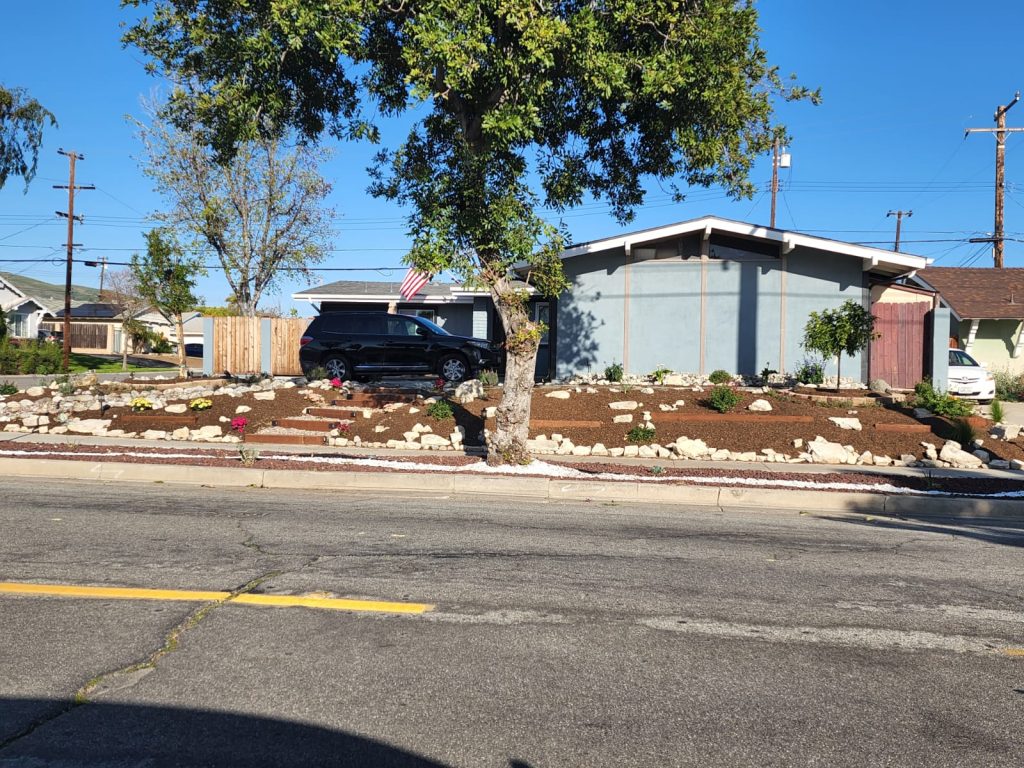
Protecting Your Trees from Damage
Trees are essential to the health and beauty of your landscape. They provide shade, improve air quality, and enhance the aesthetic appeal of your property. However, trees are also vulnerable to various types of damage, which can compromise their health and longevity. In this blog post, we will explore effective strategies for protecting your trees from damage, ensuring they thrive for years to come.
Common Types of Tree Damage
- Pests and Insects
- Diseases
- Environmental Stressors (drought, extreme temperatures)
- Physical Damage (storms, lawn equipment)
- Soil Issues (compaction, nutrient deficiency)
Understanding the types of damage that trees can face is the first step in preventing them. Each type of damage has its own set of causes and solutions.
Preventive Measures for Tree Care
Taking proactive steps can significantly reduce the risk of damage to your trees. Here are some effective preventive measures:
- Regular Inspections: Check your trees regularly for signs of pests or diseases.
- Proper Pruning: Remove dead or weak branches to promote healthy growth.
- Mulching: Apply mulch around the base of trees to retain moisture and prevent weeds.
- Watering: Ensure your trees receive adequate water, especially during dry spells.
- Soil Testing: Conduct soil tests to identify nutrient deficiencies and amend accordingly.
Managing Pests and Diseases
Pests and diseases can quickly harm your trees. Here’s how to manage them effectively:
- Identify the Problem: Use local extension services or tree care professionals for accurate identification.
- Use Organic Solutions: Employ organic pesticides or fungicides to minimize harm to beneficial insects.
- Encourage Beneficial Insects: Attract ladybugs and lacewings, which feed on harmful pests.
- Remove Infected Material: Regularly clean up fallen leaves and debris to prevent disease spread.
Protecting Trees from Environmental Stressors
Environmental factors can cause significant stress to trees. Here are ways to mitigate these effects:
- Provide Adequate Water: Deep watering during dry periods helps establish strong root systems.
- Avoid Compaction: Limit foot traffic and machinery around tree roots to prevent soil compaction.
- Select Appropriate Species: Choose tree species that are well-suited for your local climate and soil conditions.
Physical Damage Prevention
Physical damage can occur from storms or even everyday activities. Here’s how to protect your trees:
- Support Weak Branches: Use cabling or bracing to provide extra support to weak limbs.
- Keep Equipment Away: Ensure lawn mowers and other equipment are kept at a safe distance from tree trunks.
- Prune Before Storms: Trim back branches that could break and cause damage during storms.
When to Seek Professional Help
While many tree care tasks can be handled by homeowners, some situations require professional intervention. Consider hiring a certified arborist if you experience:
- Severe infestations that are beyond your control
- Significant disease symptoms that require diagnosis and treatment
- Large trees that need pruning or removal
- Complex soil issues that require expert analysis
Conclusion
Protecting your trees from damage is a crucial aspect of landscaping and tree care. By understanding the common threats and implementing preventive measures, you can ensure that your trees remain healthy and vibrant. Regular maintenance and timely interventions will not only enhance the beauty of your landscape but also contribute to the overall health of your environment. For expert assistance, consider reaching out to professionals like Mr. Ortiz Landscaping Inc, who can help you with comprehensive tree care solutions.